Need concrete patios in Eagle Harbor?
Planning a new driveway or patio? Request a callback or send the request form, and Stoleberlin Concrete will point you to an independent local provider.
No obligationTalk before you pour
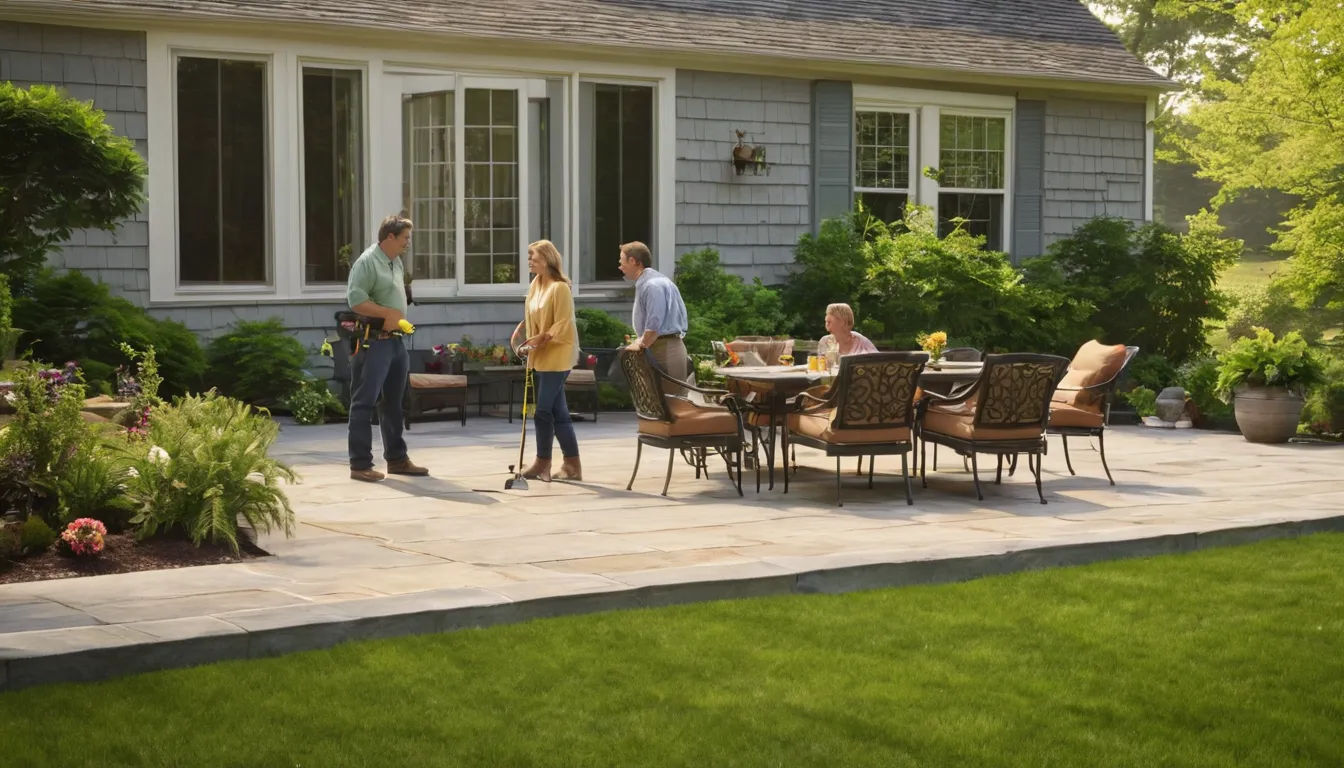
A lot of people think a new patio means weeks of phone tag. In practice, one request can reach an independent provider in our network while your plans are still loose. Stoleberlin Concrete is a referral service. It connects you, then steps back.
The provider you meet does the digging, forming, pouring and finishing. You can talk through size, finish, drainage and timing before anything is poured. Whether you want a simple broom finish or stamped concrete patios that look like stone, you can ask questions first and get a written quote. There is no obligation to hire anyone. Our goal is simple: less searching for you, and more time planning the space where you will actually relax.
A lot of people think they must research a dozen companies before anyone picks up. In practice, one request can reach an independent local provider while your patio is still just an idea.
Stoleberlin Concrete is a referral service. It connects you with providers in our network. The provider does the work, not Stoleberlin Concrete.
Many homeowners picture one flat gray slab and nothing more. Modern concrete flatwork can be tinted, textured, stamped or washed to show small stones. You choose the look, and the provider shows you what is possible.
Scope varies by provider, but most jobs follow the same path. The provider marks the area, clears grass or old paving, and grades the soil. Next come a compacted base, wooden or metal forms, and often steel bars or wire mesh. Then the concrete is poured, leveled, finished and cut with control joints.
Myth: the pour is the whole job. Reality: what sits under the slab decides how it ages. Soft soil or a thin base can lead to settling and cracks, especially after wet summers and frosty winters. Ask any provider how they prepare the ground.
Most people guess too small. A table for four often needs about a 10 by 10 foot space, and chairs need room to slide back. Add space for a grill and a clear walking path.
Mark the outline with a hose or spray paint. Set your chairs inside it. Live with the shape for a few days before you commit.
A typical residential patio slab is about four inches thick. Heavier loads, like a hot tub, may need more. Ask the provider what they plan and why.
Simple and budget friendly. A light broom texture gives wet feet some grip.
Stamped concrete patios use patterns pressed into fresh concrete to resemble slate, brick or flagstone. Color goes into the mix or onto the surface. Stamping takes skill, so ask to see photos of finished work.
Washing off the top layer reveals small stones, which adds texture and grip. Tinted concrete adds warm earth tones without any pattern at all.
Myth: water will sort itself out. Reality: a patio that slopes toward the house sends water straight to your walls. Colonial and split-level homes often have basements, which makes slope even more important.
A patio should fall gently away from the house, often about a quarter inch per foot. If you already see wall cracks or damp basement corners, foundation repair experts handle a different job. Talk with them before you pour next to a problem wall.
With four seasons, water slips into tiny pores, turns to ice and pushes outward. A solid base, proper joints and the right concrete mix help a slab ride out nor'easters and cold snaps. Ask each provider how they plan for local winters.
Good questions make a quick comparison. Try these:
Providers in our network are independent. Licensing and insurance belong to each provider, so ask to see proof. Compare quotes line by line, not just by the total.
The work is not over when the crew leaves. A few habits keep a slab sound for years.
Keep heavy loads and furniture off until your provider says it is ready. Timelines vary with weather and mix.
Sealer helps block water and stains. Many patios need a fresh coat every few years, so ask what fits your finish. Sweep leaves, clear downspouts and fill hairline cracks early.
Use a plastic shovel. Skip rock salt and harsh deicers on new concrete, especially in the first winter. Sand adds traction without the harm.
Driveways, including concrete driveway repair, have their own page. For your patio, Request a callback to check provider availability, or send a request and compare what you hear back.
Marking, clearing, grading and compacting the ground so the slab sits on a firm, even base.
Forms set the shape and slope, and steel bars or mesh can add strength where needed.
Concrete is placed, leveled and finished with your chosen texture, color or stamped pattern.
Cut joints control cracking, and sealer helps shield the surface from water and stains.
Prices depend on size, site access, finish and local labor. These are typical U.S. ranges only. Ask each provider for a written quote that lists every item so you can compare fairly.
| Item | Typical range | Notes |
|---|---|---|
| Basic broom-finish slab | $6 – $12 per sq ft | Plain gray, standard thickness |
| Stamped or colored concrete | $12 – $25 per sq ft | Pattern and color add labor |
| Exposed aggregate finish | $8 – $18 per sq ft | Textured, good grip when wet |
| Excavation and gravel base | $1 – $4 per sq ft | Rises with poor soil or slopes |
| Old paving removal | $2 – $6 per sq ft | Depends on thickness and access |
| Sealing | $1 – $3 per sq ft | Often repeated every few years |
Tell us the rough size, finish and location of your patio, even if the ideas are early.
Your request is passed to an independent local provider in our network.
Ask about base, drainage, joints and finish, then compare quotes line by line.
Choose your provider, then follow simple sealing and winter care habits afterward.
One request can reach an independent provider instead of many separate phone calls.
Providers in our network know area soil, weather and the frost and thaw seasons.
Ask for written quotes that list size, finish, base and cleanup so comparing is simple.
Talking with a provider does not commit you. You decide whether to move forward.
Planning a new driveway or patio? Request a callback or send the request form, and Stoleberlin Concrete will point you to an independent local provider.
No obligationA typical residential patio slab is about four inches thick over a compacted gravel base. Heavier uses, like a hot tub or a vehicle, may need more. Ask each provider what they recommend and why.
Timelines vary with weather and mix. Many providers allow light foot traffic after a day or two and furniture later. Heavy loads usually wait longer, so follow your provider's instructions.
They usually benefit from sealing, since sealer protects color and pattern from water and wear. Many need a fresh coat every few years. Ask your provider which sealer suits your finish.
Planning a new driveway or patio? Request a callback or send the request form, and Stoleberlin Concrete will point you to an independent local provider.
No obligation